
Vase printer technology creates durable, full-color decoration on cylindrical and tapered vases, flowerpots and decorative containers.
Vase & Flowerpot Printing Machine
UV Printing Solution for Home Décor, Garden Products and Decorative Containers
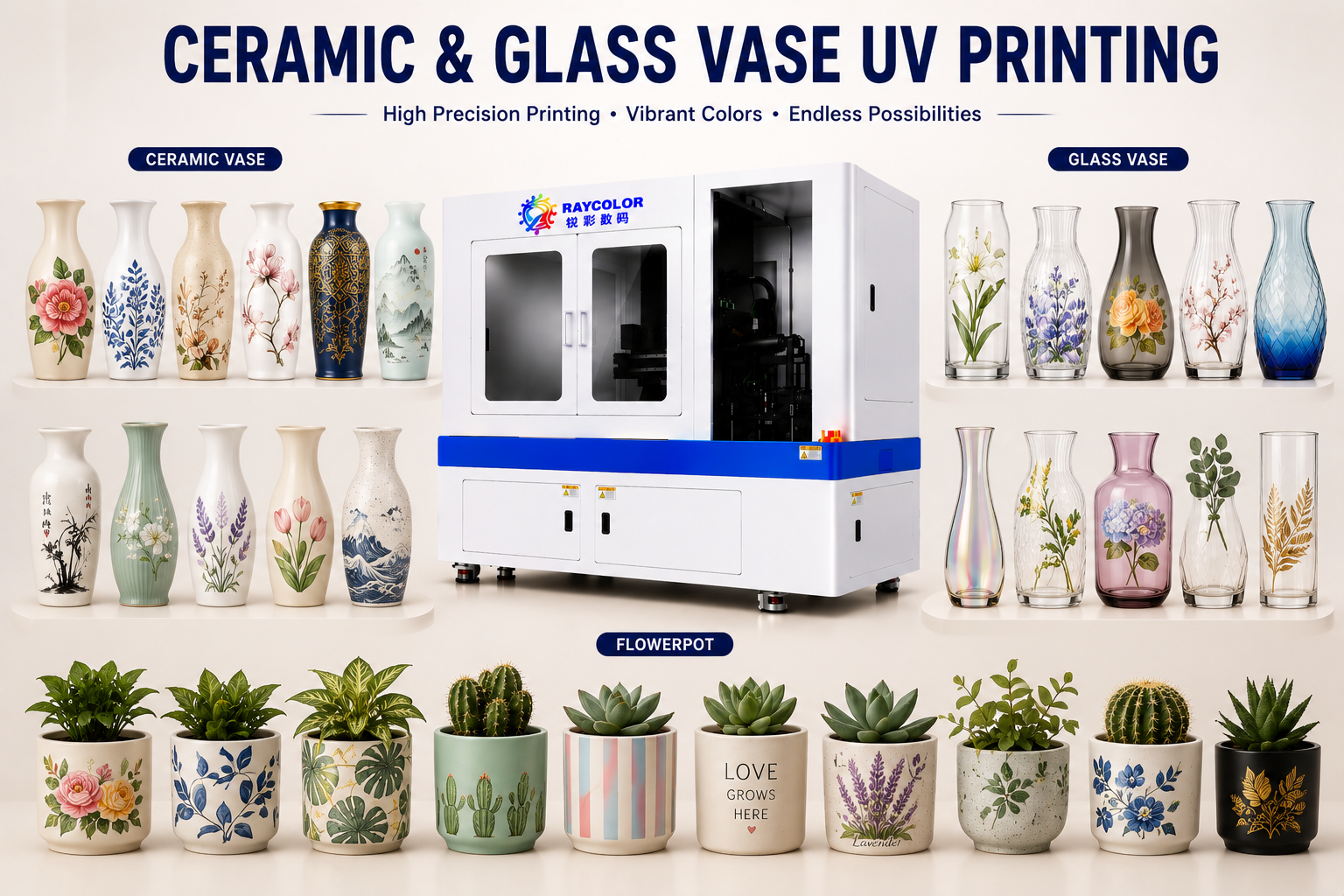
Product Printing Gallery
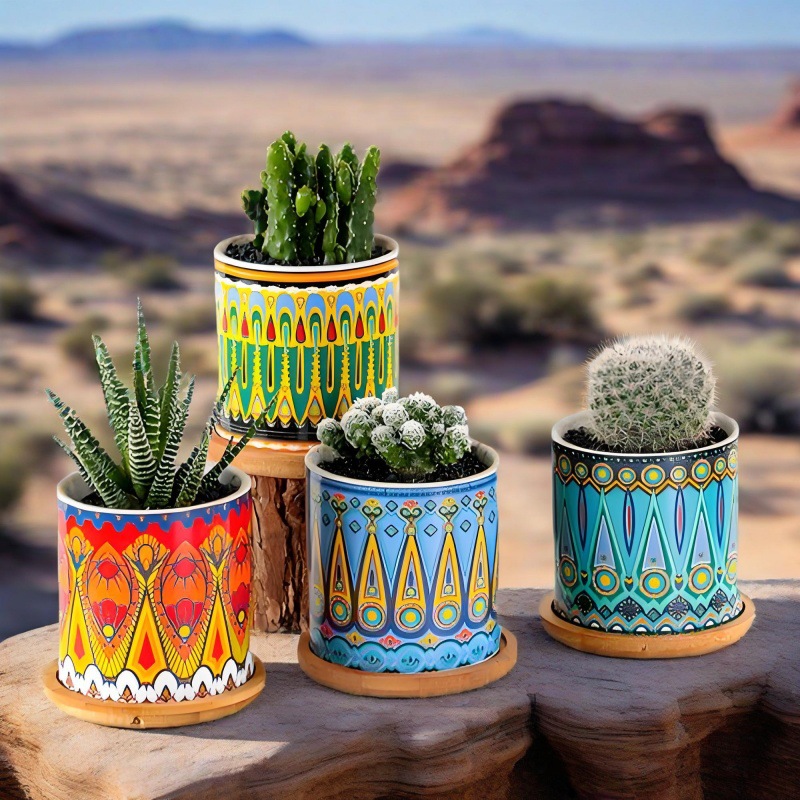
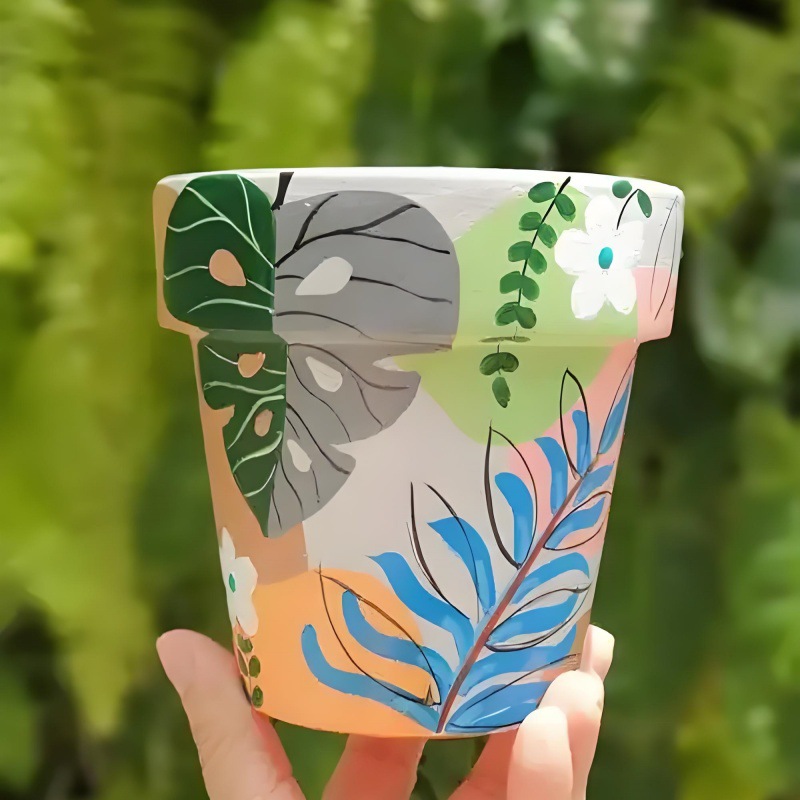
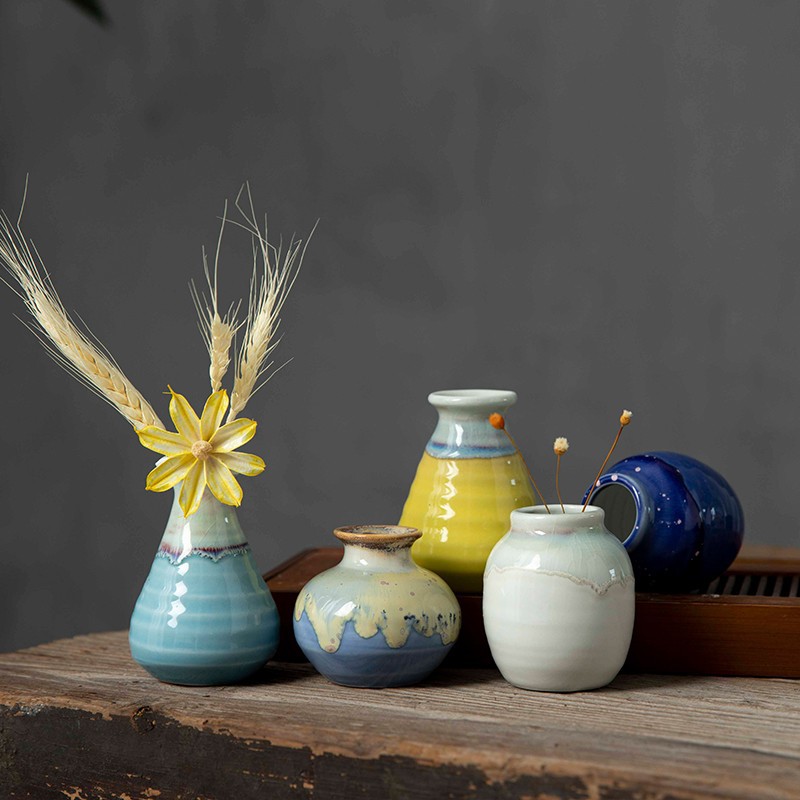
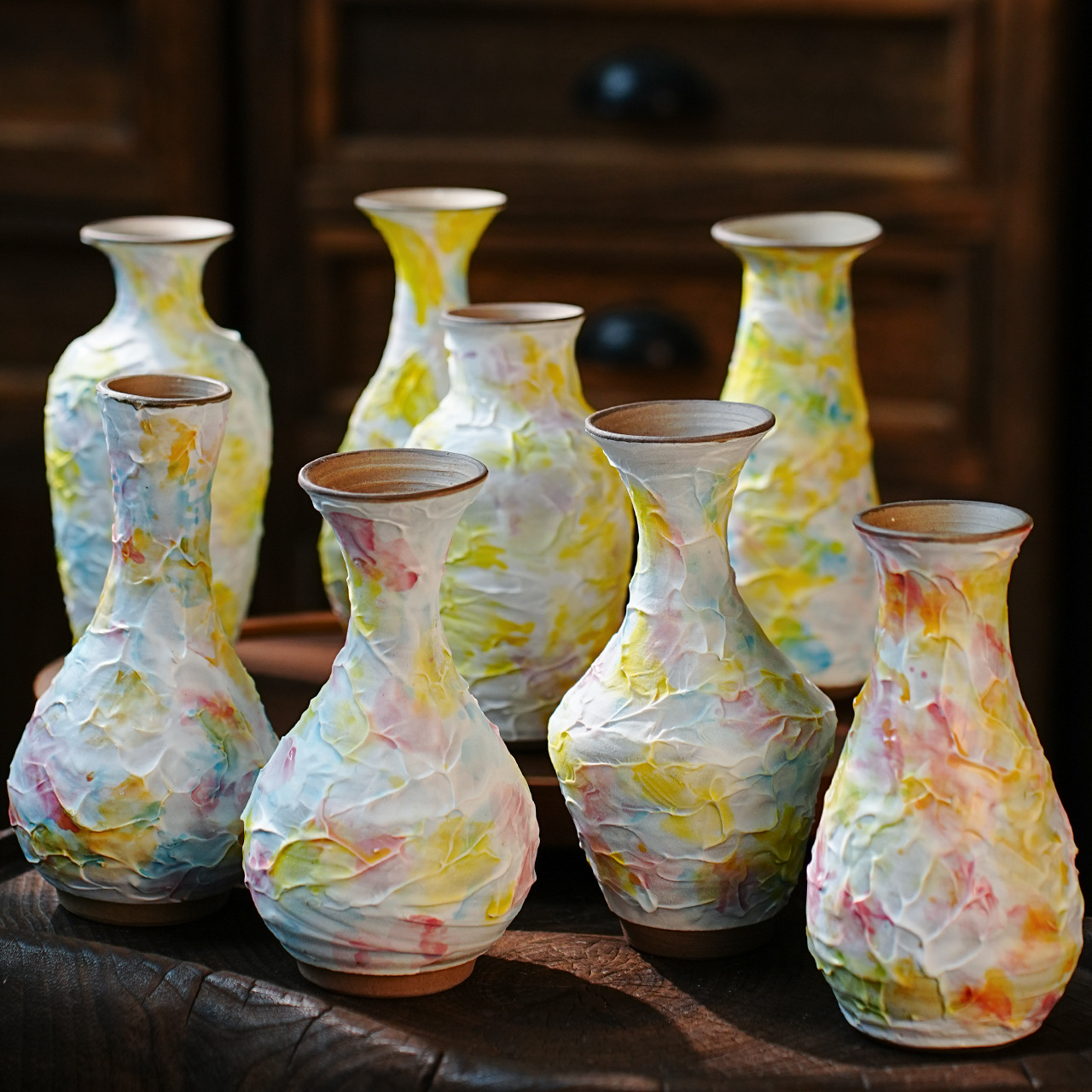
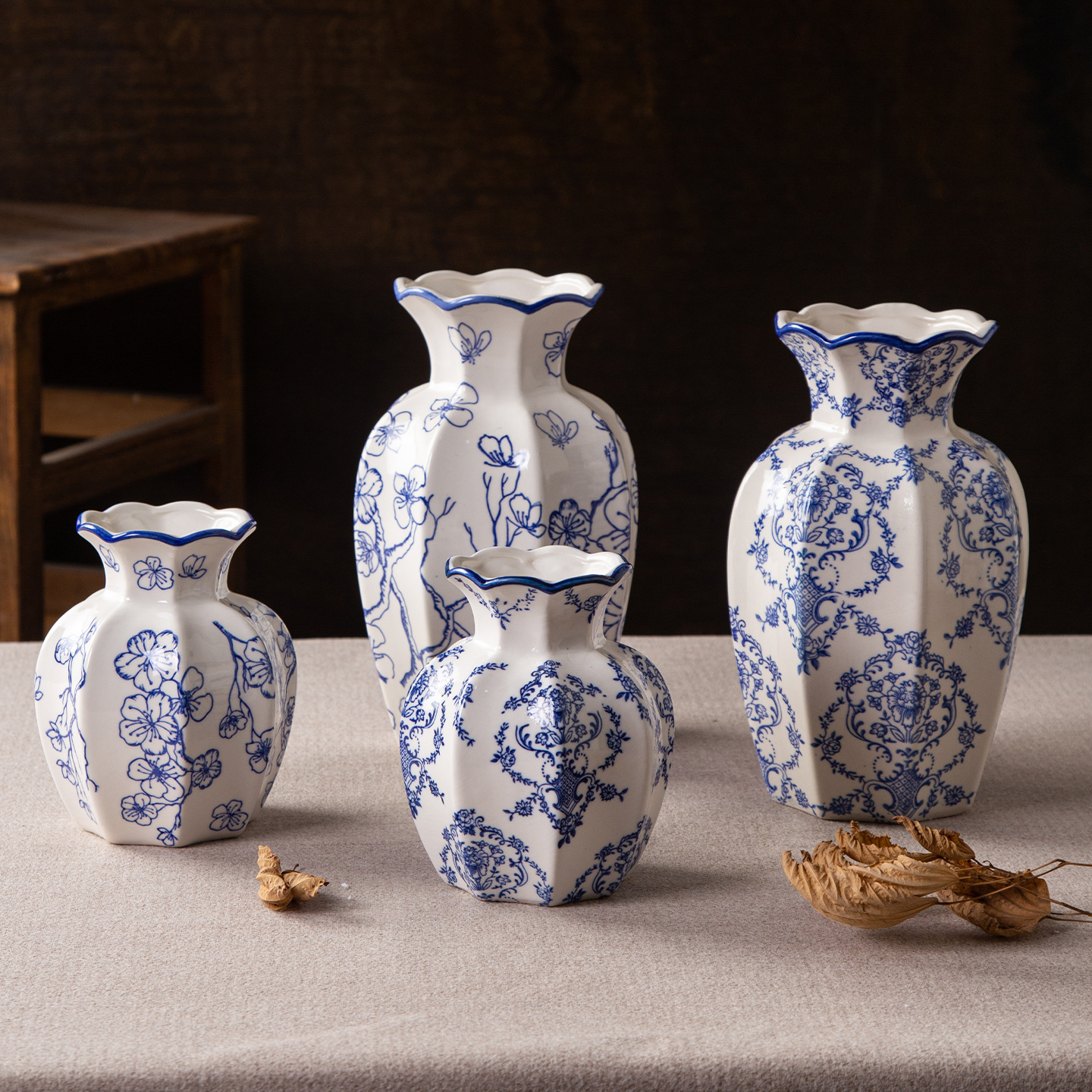
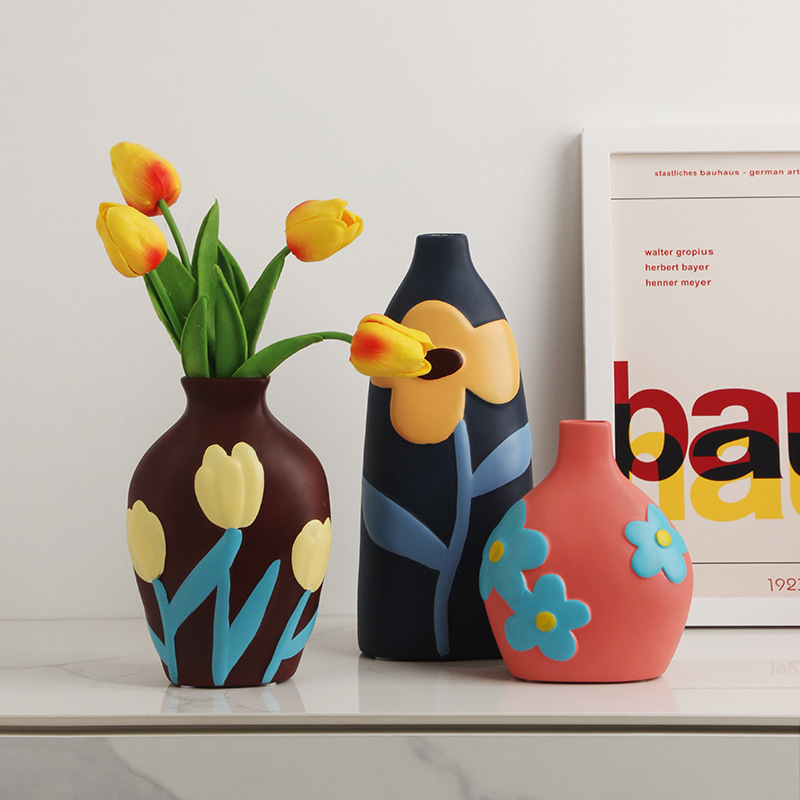
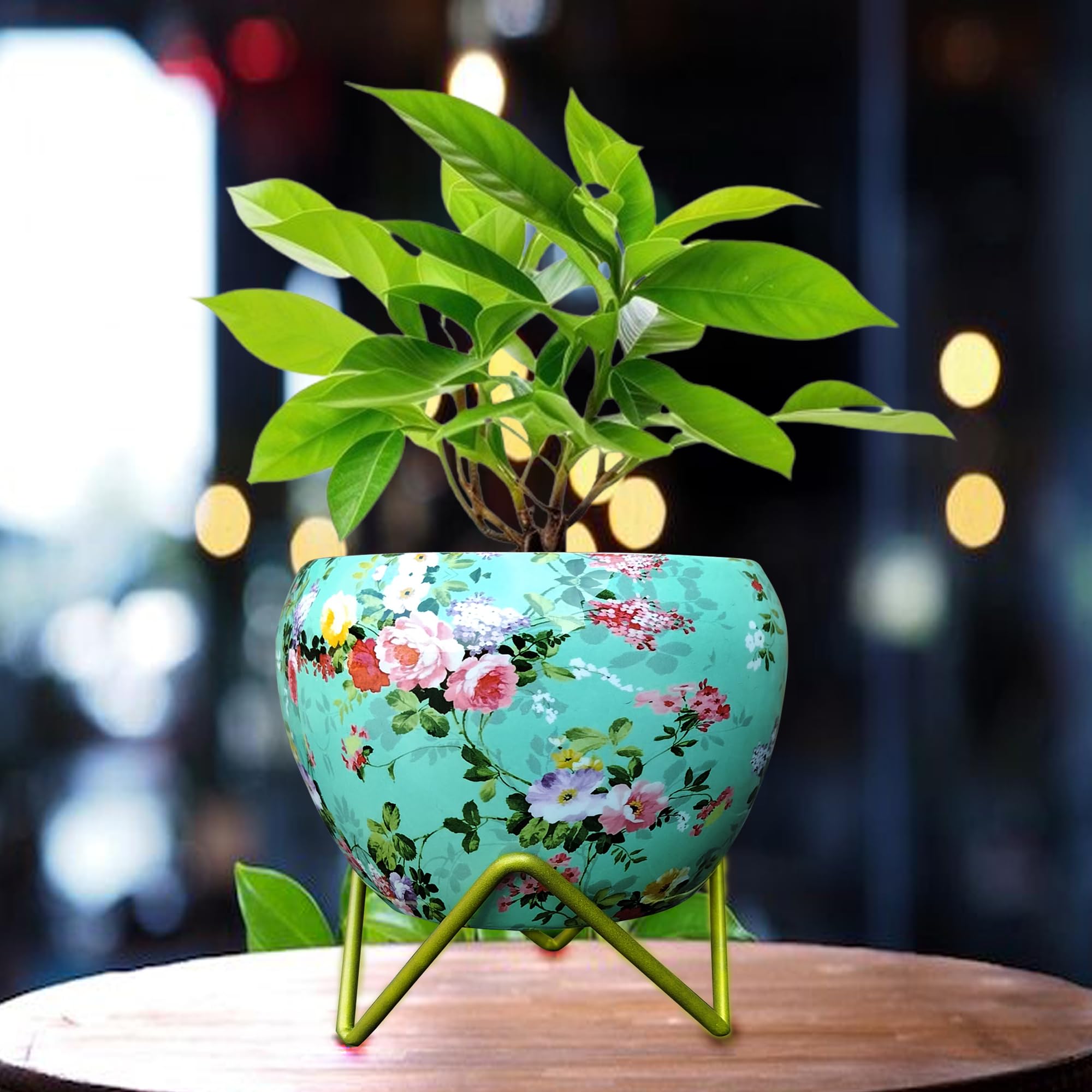
Watch Vase & Flowerpot Printing Machine Printing Video
See Raycolor cylindrical UV printing in action for this application.
Add Value to Decorative Products Through Direct Printing
Home décor consumers increasingly seek products that reflect personal style and unique interior design trends.
Decorative vases and flowerpots are no longer simple functional containers. They have become design elements that enhance living spaces.
Raycolor Vase & Flowerpot Printing Machine allows manufacturers and décor brands to create distinctive products through direct UV decoration.
Compatible Products
Ceramic Vases
Luxury home décor products.
Glass Vases
Modern decorative collections.
Decorative Flowerpots
Indoor and outdoor applications.
Planters
Retail and garden center products.
Metal Containers
Contemporary décor styles.
Storage Jars
Matching decorative collections.
High Height Difference Printing Capability
Many decorative products feature curved surfaces, embossing and complex geometries.
Raycolor supports up to 20 mm height-difference printing, enabling clear graphics on challenging surfaces.
- This makes the printer ideal for:
- Embossed Vases
- Textured Planters
- Decorative Containers
- Irregular-Shaped Home Décor
- Seasonal and Trend-Based Production
Home décor trends change rapidly.
- UV printing enables:
- Seasonal Collections
Spring, summer, autumn and holiday themes.
Limited Editions
Short-run designer collections.
Personalized Gifts
Custom names and artwork.
Retail Exclusives
Store-specific product lines.
- Benefits for Manufacturers
- No label inventory
- Fast artwork updates
- Small-batch production
- Full-color decoration
Premium product differentiation
Industries Served
- Home Décor Brands
- Garden Product Manufacturers
- Ceramic Factories
- Gift Companies
- Interior Design Suppliers
- Contract Printing Services
Why Raycolor?
- 20 mm High Height Difference Printing
- Automatic Taper Compensation
- White + Color + Varnish
- Direct-to-Object Printing
- 360° Decoration
- Industrial Automation
- High Compatibility with Cylindrical and Conical Products
FAQ
Can textured flowerpots be printed?
Yes. Raycolor supports high-height-difference surfaces up to 20 mm.
Can ceramic vases be printed directly?
Yes. Ceramic, glass and metal products are supported.
Can seasonal collections be produced in small quantities?
Absolutely. UV printing is ideal for limited-edition and trend-based production.
Need a Printing Solution for Vase & Flowerpot Printing Machine?
Send Raycolor your product photos, size, material and production requirement. The team can recommend the suitable cylindrical UV printer configuration.
Vase Printer Production Guide
A vase printer must match the product material, diameter, height and surface finish. Measure the smallest and largest products, identify straight or tapered geometry and confirm that each item can rotate without vibration.
Which materials can be tested?
Common projects include coated glass, ceramic, metal and rigid plastic vases or flowerpots. Surface coatings vary, so sample testing on the customer’s actual product is more reliable than a generic material test.
How is ink adhesion verified?
Clean the surface to remove oil and dust, then test primer or plasma treatment when necessary. Check tape adhesion, scratching, abrasion and water resistance after printing and curing.
Is digital UV printing suitable for short runs?
Yes. Artwork changes do not require plates, enabling personalized décor, seasonal collections and multiple designs. White ink and varnish can add opacity, contrast and premium decorative effects.
What affects production speed?
Coverage, resolution, ink layers, loading time and rotary accuracy affect output. Compare realistic samples at the required quality rather than relying only on a maximum speed specification.
What should buyers send for testing?
Provide dimensions, material details, artwork, expected quantity and durability requirements. Review color, white ink opacity, varnish, seam alignment and cure quality before approving equipment. Resources from FESPA can help teams follow digital decoration developments.
